
In recent decades, sexual dissidence has emerged as a movement that challenges traditional norms of sexual orientation and gender identity. This article explores the fundamental concepts and social impact of sexual dissidence globally, analyzing both the progress and challenges faced by this diverse community.

History and Evolution of Sexual Dissidence
The history of sexual dissidence is marked by significant moments of resistance and progress toward equality. From the LGBTI rights movements to the promotion of sexual diversity, important milestones have been reached that have transformed perceptions and legislation around the world.
| # | Milestone |
|---|---|
| 1 | Stonewall Inn, 1969 |
| The Stonewall Inn riots in New York City marked the beginning of the modern LGBT rights movement. | |
| 2 | Declassification of homosexuality as a mental illness, 1973 |
| The American Psychiatric Association removes homosexuality from its diagnostic manual. | |
| 3 | Legalization of same-sex marriage, 2001 (Netherlands) |
| The Netherlands becomes the first country to legalize same-sex marriage. | |
| 4 | Civil Union Law, 2005 (Spain) |
| Spain approves the Civil Union Law, paving the way for legal equality for same-sex couples. | |
| 5 | U.S. Supreme Court Decision, 2015 |
| The United States Supreme Court legalizes same-sex marriage nationwide. | |
| 6 | Decriminalization of homosexuality, 1993-2006 (various countries) |
| Several countries have decriminalized homosexuality, eliminating discriminatory and punitive laws. | |
| 7 | Gender Identity Law, 2012 (Argentina) |
| Argentina enacts the Gender Identity Law, allowing for gender self-determination. | |
| 8 | Decision of the Supreme Court of India, 2018 |
| The Supreme Court of India decriminalizes homosexuality, repealing Section 377 of the Penal Code. | |
| 9 | Approval of civil unions and same-sex marriage in several countries |
| Over the years, more countries have approved civil unions and marriage equality, expanding the rights of the LGBTI community. |
Sexual and gender diversity (SGD) encompasses a wide variety of identities, sexual orientations, and gender expressions:
Sexual and Gender Diversity (SGD) is an inclusive term that encompasses the multiplicity of gender identities and sexual orientations present in society. This diversity is not limited to traditional categories of male and female or heterosexual sexual orientations. It includes a wide range of non-binary identities such as genderqueer, genderfluid, and diverse gender expressions that challenge established norms. For example, people who identify as pansexual may experience attraction to individuals regardless of their specific gender, reflecting the complexity and variety within SGD.
In the West, simple classifications (LGBTI) are used that may not capture the complexity of human sexuality according to theories such as Kinsey and Queer:
Despite the initial usefulness of LGBTI (Lesbian, Gay, Bisexual, Transgender, and Intersex) classifications in raising awareness and defending the rights of these communities, these labels can be limited in capturing the diversity and fluidity of human sexuality. Theories such as Kinsey's and Queer have shown that sexuality is neither binary nor static, but rather manifests itself on a broad spectrum. For example, the Kinsey Scale suggests that people may experience varying degrees of attraction to the same or different genders throughout their lives, thus challenging rigid categorizations and fostering a more nuanced understanding of sexual diversity.
There is a wide diversity within bisexuality, including attraction to more than one gender or specific preferences:
Bisexuality is not limited to a simple attraction to men and women equally. Rather, it encompasses a variety of experiences where people may feel attraction to more than one gender in fluid and evolving ways. For example, some bisexual people may have preferences toward a particular gender without this defining them exclusively. This diversity within bisexuality reflects the complexity of sexual identities and challenges the notion that sexual attraction must be exclusively binary or static.
Sexual diversity also includes intersex people and those with non-binary gender identities:

Sexual diversity is not limited solely to sexual orientations but also encompasses intersex people and those with gender identities that do not conform to traditional binaries. Intersex people are born with sex characteristics that do not fit typical definitions of male or female, challenging conventional understandings of sexual biology. Furthermore, non-binary gender identities, such as genderqueer, genderfluid, agender, and others, reflect a variety of experiences beyond the binary categories of male and female. This inclusion within sexual diversity recognizes and values the multiplicity of ways in which people experience and express their gender identity and sexuality.
Social Movements and Activism of Sexual Dissidence
Gender-based activism has been instrumental in driving social and legislative change. Through marches, protests, and community organizations, this movement has challenged stereotypes, educated society, and pushed for reforms that reflect greater inclusion and respect.
Political and religious discourse has significantly influenced the social and legal acceptance of sexual dissidence. While some leaders advocate for equality, others perpetuate prejudices and restrictions that limit the rights of this community in different parts of the world.
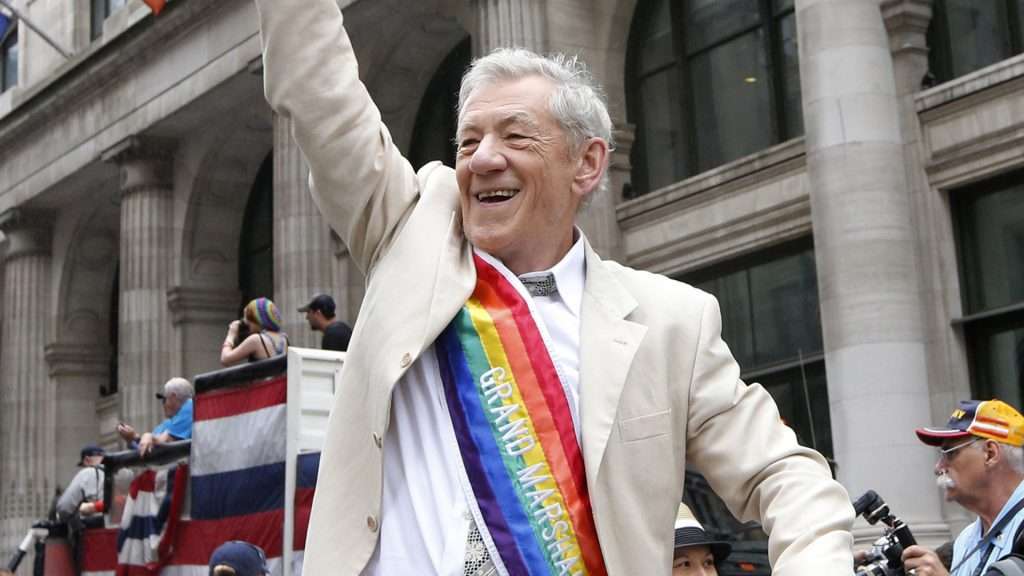

The visibility of public figures of gender dissidence challenges stereotypes and promotes social acceptance. Through their personal stories and professional achievements, these figures inspire the LGBTI community and society at large, fostering a cultural shift toward inclusion and respect.
Discrimination and Violence Based on Sexual Orientation and Gender Identity
Despite progress, discrimination and violence remain persistent realities for many people who are part of the sexually dissident community. From hate crimes to legal and social barriers, this community faces significant challenges that affect their safety and well-being.
Political and religious discourse has significantly influenced the social and legal acceptance of sexual dissidence. While some leaders advocate for equality, others perpetuate prejudices and restrictions that limit the rights of this community in different parts of the world.
Inclusive Education and Public Health for Sexual Dissidence

The inclusion of sexual and gender diversity in education and healthcare systems is crucial to promoting respect and understanding. The lack of inclusive education perpetuates stigma and hinders access to adequate medical services, exacerbating mental and physical health problems among people of color.
Mental health education and awareness are crucial to addressing the specific needs of the gender-nonconforming community, which faces unique challenges due to discrimination and social stress. Training health professionals in compassionate and appropriate care is essential to providing effective support.
Legal Recognition of Gender Identity
Legal recognition of gender identity is essential to protecting the civil rights and safety of transgender people. Countries that have implemented gender recognition and self-determination policies have taken significant steps toward equality, although challenges remain in many parts of the world.
Challenges in Religious and Conservative Contexts

Religious and conservative contexts present significant challenges to the acceptance and protection of the rights of sexually dissidents. The influence of beliefs and traditions on public policy and public opinion can limit progress toward equality in certain regions of the world.
Implementing anti-discrimination laws is essential to guaranteeing equal rights for people of color in all areas of life. Legal protection against discrimination based on sexual orientation and gender identity is fundamental to building a just and equitable society.
In short, understanding what sexual dissidence is is crucial to promoting inclusion and respect for all gender identities and expressions in our society.